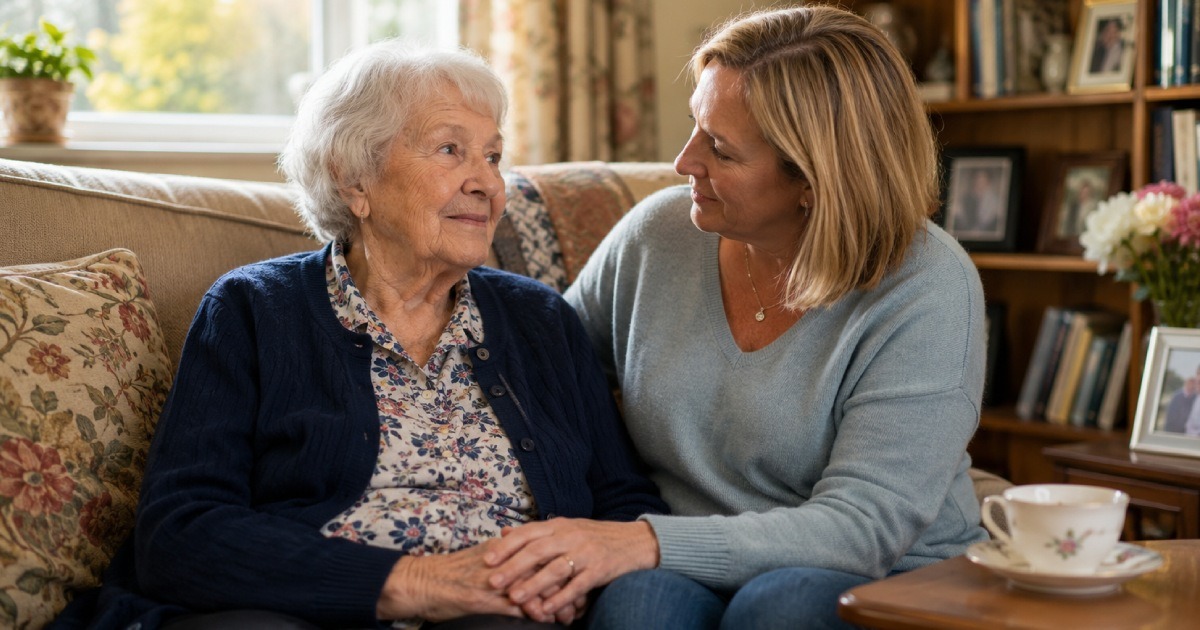
Dementia directly affects mobility, causing difficulties with walking, balance, and everyday movements. Dementia is an umbrella term for different diseases, including Alzheimer's disease, vascular dementia, Lewy body dementia, and frontotemporal dementia. Each type of dementia can affect mobility in various ways.
Simple daily tasks can suddenly become difficult for your loved one. You may worry about their safety, falls, and whether you’re doing enough. With Tiggo Care's dementia home care services, your loved one can receive compassionate support to stay safe and independent for longer. This guide covers the link between difficulties with mobility and dementia and what you can do at home to support your loved one.
According to Alzheimer's Research UK, an estimated 982,000 people in the UK were living with dementia in 2024. This article explores the ways dementia can affect mobility and the practical steps you can take to help your loved one stay safe and active at home.
Mobility problems refer to difficulties with standing, walking, getting out of bed or a chair, and moving safely around the home.
Dementia affects both the brain and the body: the brain struggles to plan and control movement while muscles gradually weaken from reduced use.
Tasks that were once automatic require more conscious effort for people with dementia. Reduced movement can lead to muscle weakness, which further impacts mobility.
Physical changes in mobility often appear before the cognitive symptoms of dementia. Changes in walking, such as shuffling, walking slowly, or taking unsteady steps, are often among the first signs of dementia.
Common early mobility issues families notice include:
These changes can appear even before severe memory loss and often fluctuate from day to day.
Mobility issues in dementia patients can result from changes in the brain that affect motor skills, balance, and coordination, leading to difficulties in walking and increased fall risk.
Understanding why dementia affects mobility starts with the brain. Dementia damages brain regions involved in planning, initiating, and controlling movement. This affects the whole body.
Brain cell damage disrupts messages to the muscles. This slows reactions and reduces coordination. Changes in muscle strength and balance increase the risk of falls, so your loved one may struggle to move freely and safely.
Your loved one may misjudge distances or fail to notice hazards, increasing the risk of falls. Spending long periods sitting or in bed further weakens muscle strength and joint flexibility, contributing to wider physical health problems, including poor circulation, constipation, and depression.
People with dementia may experience confusion and difficulty following a series of directions or step-by-step instructions. This can make everyday tasks much harder to manage.
People experience dementia differently, with some seeing more pronounced mobility decline than others.
Dementia is an umbrella term for different diseases that affect the brain, including Alzheimer's disease, vascular dementia, Lewy body dementia, and frontotemporal dementia. Each affects the brain in its own way and impacts mobility differently.
Alzheimer's disease is the most common cause of dementia. It often causes a gradual decline in walking and balance, with mobility issues typically becoming most noticeable in the later stages. As Alzheimer's progresses, walking speed decreases steadily, and people may need increasing help with movement.
Vascular dementia and mobility decline are closely linked. Vascular dementia frequently involves faster physical decline than Alzheimer's due to the effect of strokes on motor-related brain areas. Mini-strokes can cause sudden weakness, slower walking, and a higher risk of blood clots.
Lewy body dementia brings Parkinson-like symptoms, including stiffness, shuffling steps, tremor, and "freezing" in doorways, making walking increasingly difficult.
Frontotemporal dementia can change behaviour and judgement. A person may walk quickly without awareness of hazards, take unnecessary risks, or become very sedentary due to apathy.
Many older people live with "mixed dementia", so their mobility issues may combine features from more than one type.
Mobility rarely changes all at once. It tends to shift gradually across the stages of dementia, with each stage bringing its own challenges for your loved one and your family.
Mobility might be largely intact in the early stages of dementia, but fine motor skills may begin to fail. You may notice slower walking, slight unsteadiness, holding onto furniture, and hesitating on stairs or kerbs.
As dementia progresses, people may develop increasing difficulties with thinking, such as concentrating, planning, and organising. This can make it harder to perform daily activities without help. Falls become more frequent, and your loved one may need support getting up from a chair or bed.
In the later stages of dementia, people are likely to need more help with their physical health. They may gradually lose their ability to walk, stand, or get up from a chair or bed. This leads to an increased risk of falling due to a decline in physical abilities, including balance and coordination, and a need for constant care during daily activities.
Specific complications of reduced movement in advanced dementia include:
The feelings people with dementia experience, such as stress, fear, loneliness, boredom, or pain, can also affect mood and further reduce mobility.
Consider keeping a simple diary of mobility changes and falls to share with your GP, community nurse, or therapy team.
Dementia interacts with many other influences on mobility. Several of these are treatable if you notice them early.
Visual difficulties caused by dementia can lead to a fear of navigating the home, increasing the risk of falls, as your loved one may hesitate to move around due to fear of tripping or getting lost.
Conditions such as arthritis, continence problems, and urinary infections can make walking or standing more difficult, especially in older people. Even feeling unwell with a minor infection can temporarily worsen mobility.
Depression can reduce physical activity, leading to weaker muscles and more mobility issues. Dementia can cause a lack of energy and quick exhaustion, increasing sedentary behaviour.
Some medicines cause dizziness, drowsiness, or drops in blood pressure. Research shows that around one-third of dementia-related falls are medication-related. Discuss side effects with your GP or pharmacist.
Loose rugs, poor lighting, and cluttered hallways increase trips and falls, quickly undermining your loved one's confidence to move around.
Safe physical activity is one of the most effective ways to slow mobility decline in dementia.
Regular physical activity helps improve strength, coordination, and flexibility in dementia patients, contributing to better movement and less reliance on carers for assistance. Movement maintains muscle strength, joint flexibility, and circulation, reducing the risk of pressure ulcers and blood clots.
Physical activity also reduces agitation, improves sleep, and helps with anxiety and low mood.
Engaging people with dementia in gentle physical acti exercises, like chair exercises or walking, can help maintain their mobility and improve their overall well-being. Suitable activities for your loved one at home include:
Ask your GP about a referral to NHS physiotherapy or occupational therapy if you are concerned about mobility problems or the risk of falling.

Small, low-cost changes at home can make a big difference to safety and independence for someone with dementia and mobility challenges.
Home modifications, such as adding grab bars, using non-slip mats, and ensuring good lighting, can create a safer environment for people with dementia, reducing the risk of falls. Research suggests these simple changes can prevent up to 40% of falls.
Key practical changes include:
Simple visual aids also help. Clear signs on doors, high-contrast toilet seats, and contrasting colours between floors and walls support people with perception problems.
Using assistive devices can help your loved one retain independence and feel secure. This reduces anxiety and improves safety at home. Ask your local council or NHS for a home assessment by an occupational therapist, who can recommend equipment and adaptations suited to your situation.
Many families in the UK feel overwhelmed when dementia and mobility problems progress. Skilled home care support can reduce this burden and help your loved one feel safe at home.
Tiggo Care offers flexible care visits from a few hours a week to full live-in support, adjustable as your loved one's needs change.
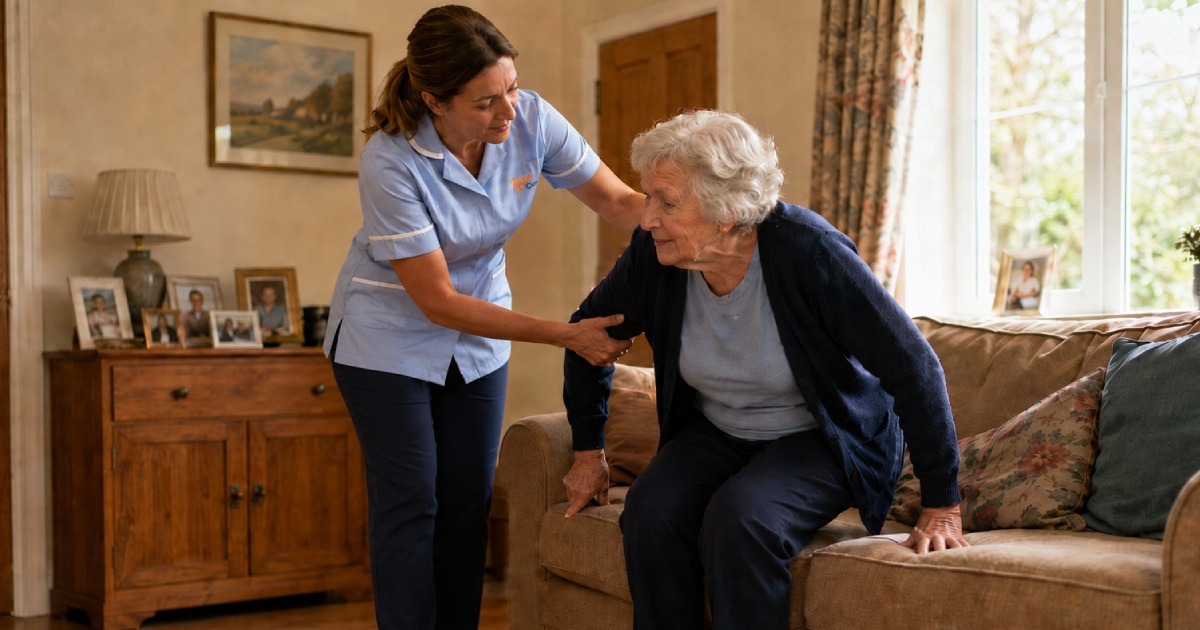
Carers can help with day-to-day mobility: safe transfers from bed to chairs, support on stairs, and guidance when moving around the home. This hands-on support reduces the risk of falling while respecting your loved one's dignity.
Home carers can also:
Consistent carers build trust, getting to know your loved one's routines, and flagging early warning signs, keeping family members and health professionals informed.
Here is what one family had to say about the difference home care made:
"Such a help, caring and friendly — help in your own home has helped with dementia care allowing life to continue as near normal as possible at home. Regular rotas and care slots and updates to next of kin have been invaluable."
Contact Tiggo Care to discuss flexible home visits that focus on maximising your loved one’s mobility and independence.
Planning ahead for progressive mobility issues can reduce crises and help your family feel more in control.
Talk early with the person with dementia about their wishes around staying at home, equipment, and future care. These conversations are easier while they can still fully understand and express preferences.
Practical planning steps include:
In England and Wales, a Lasting Power of Attorney can help families make decisions on behalf of their loved one as dementia progresses.
People with dementia may also be eligible for financial support to help with care and mobility needs. This includes Attendance Allowance (AA), Personal Independence Payment (PIP), and Disability Living Allowance (DLA). These benefits are not means-tested and do not depend on National Insurance contributions. Speak to a benefits adviser or contact Citizens Advice for guidance on what your loved one may be entitled to.
Dementia does affect mobility, but the right support can make a real difference. Understanding mobility changes early, making the home safer, and keeping your loved one as active as possible can help them stay comfortable and independent for longer. You don’t have to face this alone. Whether your loved one needs a few hours of support a week or more regular care, help is available.
Tiggo Care is regulated by the Care Quality Commission (CQC), meaning our services are regularly inspected to ensure they are safe, effective, caring, responsive, and well-led. We are also a member of the Homecare Association, which promotes high standards in home care across the UK. Tiggo Care is recognised by homecare.co.uk and Age UK as a leading home care provider in London.
Contact us today to arrange a free consultation and find out how we can support your loved one's mobility and independence at home.
This article is for general information only. Always speak to your GP or a qualified health professional about your loved one's specific needs.

Chris Williams is the Founder and Managing Director ofTiggo Care, an award-winning London home care provider that supports adults living in their own homes. He founded Tiggo Care after struggling to find suitable care for his parents, both of whom lived with rare diseases, giving him first-hand experience of the challenges families can face when arranging personalised home care. Chris studied Human Sciences and Epidemiology at Oxford University and previously worked at Kearney and Oxford Sciences Enterprises.
Yes. Dementia damages the brain areas that control movement, balance, and coordination. This makes walking, standing, and other everyday movements increasingly difficult. Mobility problems often develop gradually and tend to worsen as dementia progresses.
As dementia progresses, it damages brain areas that control movement, causing signals to the muscles to become weaker and less reliable. This leads to a gradual decline in walking ability, balance, and muscle strength. In the later stages of dementia, people may gradually lose the ability to walk altogether, making regular care support essential.
While memory loss is often the first symptom people think of, subtle changes in walking, balance, or coordination can sometimes appear in the early stages of dementia. This is especially true in vascular dementia and frontotemporal dementia. Any unexplained new mobility problems in older people, such as repeated falls or a new shuffling gait, should prompt a GP appointment.
Any fall deserves attention, especially if your loved one hit their head, takes blood-thinning medications, or complains of pain. Call 999 for serious injuries; contact your GP or NHS 111 for less serious falls. Repeated minor falls or near misses are a sign to request a fall risk assessment and a review of medication, eyesight, footwear, and home hazards.
The right level of activity depends on your loved one's overall physical health, type of dementia, and their current mobility issues. Short, frequent bouts of 5 to 10 minutes of gentle walking or chair exercises work best, rather than long tiring sessions. Check with a GP, physiotherapist, or nurse before starting any new exercise, especially after a fall or hospital stay.
Yes. Regular movement, leg exercises, and avoiding long periods of complete immobility can reduce the risk of deep vein blood clots. People with advanced dementia who spend much of the day in bed or in a chair face a higher risk of blood clots, especially after surgery or illness, so they should be encouraged to do gentle movement.
Get in touch with Tiggo Care today to see how we can help you or your loved one.


.webp)


.jpg)