Personal care for the elderly is hands-on support with essential daily tasks such as bathing, washing, dressing, toileting, and taking medication. It helps older people stay safe, comfortable, and independent in their own homes. Personal care services can be arranged through home care agencies, a local council needs assessment, or privately. Costs typically range from £15 to £30 per hour, and financial support may be available through your local council or Attendance Allowance.
Personal care for the elderly involves practical, hands-on support with essential daily tasks. It helps older people maintain good personal hygiene, mobility, and a sense of dignity, covering everything from bathing and washing to dressing, toilet support, and meal preparation. Many older people find these tasks challenging, particularly if they have limited mobility or complex needs. Families often feel uncertain about how best to provide care during what can be an unsettling time.
This guide covers the key components of elderly personal care, how to arrange it, how much it costs, and how Tiggo Care's home care services can give your loved one the right care and support at home.
Home personal care goes well beyond simple housekeeping. It provides direct, hands-on support with the daily routines that help a person stay safe, clean, and comfortable at home. Trained home carers assist with personal hygiene, mobility, dressing, toileting, medication, and much more. Below are the key areas of providing personal care at home.
Good personal hygiene is central to personal care for the elderly. Keeping clean not only prevents infections and skin complaints but also plays a big part in a person's self-esteem and confidence. For some older people, memory loss or limited mobility can make even these daily routines feel daunting. Poor hygiene can lead to discomfort, infections, and a decline in overall health, making it essential to support older people with daily tasks such as washing and bathing.
A personal carer may help with dental hygiene, hair washing, nail care, and regular bathing or showering. Adaptive hygiene tools, such as shower chairs, grab bars, electric toothbrushes, and bath mitts, also simplify daily routines for older people with limited mobility or reduced hand strength. By offering hygienic assistance like gentle support with washing, oral hygiene, and hair care, you help create an atmosphere of comfort and dignity.
Specialist products such as fragrance-free, moisturising cleansers and rich creams with ceramides are recommended for elderly skin care. These help protect the skin and reduce the risk of irritation, dryness, and skin complaints such as pressure sores. Keeping hygiene routines consistent
Short, regular visits from a home carer make it easier to keep up with routines like tooth brushing, shaving, and hair washing. If your loved one has a preferred scent or favourite shampoo, including this adds a personal touch to their daily routines. Establishing a predictable schedule for meals, sleep, and hygiene can help reduce anxiety, particularly for older people living with dementia.
Mobility support helps older people move around safely and confidently. This may involve walking frames, wheelchairs, or other assistive devices. Personal care assistance in this area includes helping a person stand up, navigate stairs, and stay balanced during daily tasks like getting in and out of bed.
Home safety modifications, such as removing tripping hazards and installing grab bars, are essential to prevent falls. Bathroom adaptations like non-slip mats and grab rails can prevent falls in slippery areas. Highly trained carers who are skilled in safe moving and handling help reduce the risk of injury during daily living activities.
Aiming for at least 150 minutes of moderate physical activity per week can improve balance and reduce the risk of falls. Personal alarm devices can also provide fall detection and monitoring for added peace of mind. A personal carer can support your loved one with exercises outlined by a physiotherapist in their familiar surroundings at home.
Maintaining a neat personal appearance often lifts a person's spirits. Many older people want to keep the same routine they have enjoyed for years, including wearing their favourite clothes or brushing their hair just so. A personal carer can support this by offering a steady hand with buttons, zippers, and shoes.
Good personal hygiene and careful grooming can positively affect a person's emotional state and self-esteem. Something as small as painting nails or using a favourite body lotion can brighten someone’s day. Promoting independence and encouraging older people to do as much as they can for themselves helps them feel more in control, which is vital for their emotional wellbeing.
Toileting and continence care can be a sensitive subject for families and older people alike. When someone needs help with intimate tasks such as changing continence pads or using a commode, it can feel awkward for everyone involved. Professional carers are highly trained to handle these tasks with discretion and empathy.
Changing continence pads promptly reduces the risk of discomfort or infection. If limited mobility makes reaching the toilet challenging, a home carer can provide support. Consistent continence care routines also reduce the likelihood of accidents and help preserve dignity.
Many older people need to take medication at specific times. Forgetting a pill or taking medication incorrectly can be dangerous. Personal care services can assist with medication management by reminding and guiding elderly clients through their prescribed routines.
Medication management, including keeping a detailed schedule and using reminders or pill organisers, ensures consistency in taking medication. Carers keep track of medication schedules and make sure older people take their pills on time. If your loved one experiences side effects from their medication, the carer can alert you and suggest you seek advice from your GP.
Meal preparation is an essential part of personal care for adults, especially for those who may struggle to manage independently. Whether it is planning the weekly menu, handling grocery shopping, or cooking, a personal carer can offer valuable practical support. While carers cannot provide nutritional advice, they can help your loved one follow specific meal plans outlined by a dietician or GP.
If your loved one has difficulty chewing, swallowing, or feeding themselves, the carer can provide hands-on support to make mealtimes safer and more comfortable. This may include guiding the use of cutlery, offering drinks in manageable sips, and ensuring the person is seated correctly to reduce choking risks.
Hydration and a diet rich in fibre, fruits, and vegetables, with limited salt and sugar, can help older adults manage chronic conditions and keep up their energy. Older people should be encouraged to drink 6 to 8 glasses of fluids daily, as feelings of thirst often diminish with age. A personal carer helps ensure your loved one stays hydrated and well-nourished throughout the day.
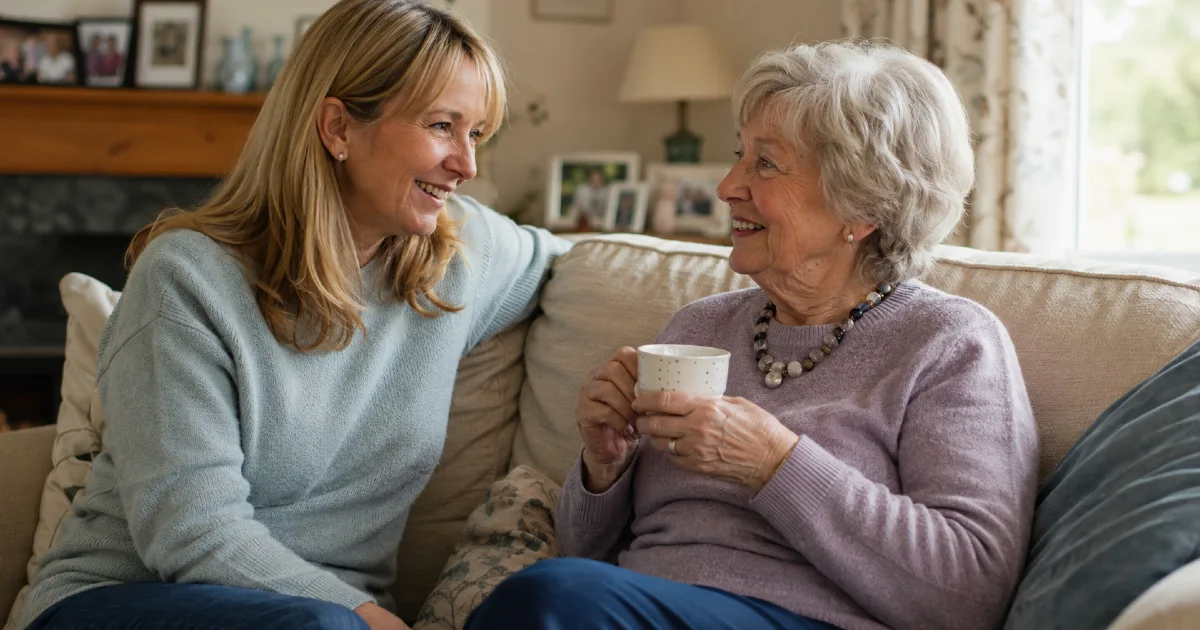
Emotional support is often overlooked, but it is a major part of elderly home care. Loneliness can be a real issue for older people who live alone. A friendly conversation or a shared cup of tea can work wonders for someone's emotional state. Personal care at home is not just about physical tasks; it also addresses a person's emotional wellbeing and social life.
Encouraging social connections through regular communication can prevent loneliness and isolation. Participating in social activities, hobbies, or community events also helps older people stay engaged. When a carer visits regularly, they bring companionship and a genuine sense that someone cares. Protecting a person's dignity and respecting their wishes are also essential for their emotional wellbeing.
The emotional connection between a carer and client is especially important in dementia care. A familiar carer and familiar surroundings can help a person living with dementia feel more comfortable and reduce anxiety. Creating a calm environment during personal care tasks can also reduce distress and confusion.
Some older people require stoma care due to surgeries or long-term health conditions. A personal carer offers practical support, such as changing stoma bags and maintaining personal hygiene around the stoma site. They ensure the area is kept clean and dry, reducing the risk of infection.
If your loved one has complex care and support needs involving a stoma, your home carer can work alongside NHS district nurses to ensure everything is handled correctly. This support lets your loved one focus on enjoying life without worrying about discomfort.
Arranging care for an elderly person can feel overwhelming, particularly during an unsettling time. Here are a few steps to follow to put the right care and support in place.
A needs assessment from your local council can help determine the level of care and support your loved one requires. It is free and open to everyone. It can also lead to a financial assessment to identify what funding may be available to help you cover care costs.
You can arrange personal care services through home care agencies, hire a personal assistant directly, or explore live-in care if round-the-clock support is needed. If your loved one has recently been in the hospital, a short-term home care package can help them safely settle back into familiar surroundings.
When approaching home care agencies, ask about their training protocols, how they match carers with clients, and their procedures for handling complaints. It’s also worth considering whether to hire through a home care agency or employ a personal assistant directly, as each option has different implications for continuity of care. Local Age UK branches can offer helpful advice and signposting throughout this process.
A care plan sets out your loved one's personal care needs, daily routines, preferences, and any medical requirements. This ensures the care provided is personalised and consistent from the start. A care plan is not something a family member creates alone; it is developed in partnership with carers and, where relevant, your local council.
Care and support needs change over time. Review the care plan every few weeks to ensure it accurately reflects your loved one's evolving needs.
Home care services typically cost between £15 and £30 per hour, depending on location and the specific support needed. The hourly rate can vary between home care agencies and regions, so it is worth contacting a few providers to compare their prices. Always be sure to clarify what their prices include and whether there are any additional fees.
You do not always need to pay for care yourself. Here are the main ways to access financial support with care costs:
If the level of support needed is high, a form of residential care, such as a care home, may be considered. However, many families prefer to help their loved one remain living in their own home for as long as possible. Home personal care and live-in care make this possible.
Whether you are a family member or a professional carer, these practical tips can help you deliver personal care with confidence, compassion, and respect:
Remove tripping hazards, install grab bars, and consider home adaptations. If limited mobility is an issue, ensure support devices, such as walkers or wheelchairs, are readily available. Non-slip mats and grab rails in the bathroom are particularly important safety measures. Personal alarm devices can provide fall detection and monitoring for additional peace of mind between carer visits.
Explain each personal care activity before you begin. Encourage older people to share concerns or preferences so you can adapt their care plan accordingly. Open, respectful communication builds trust and makes the experience more comfortable for your loved one.
Keep consistent hygiene routines that include bathing, nail care, and oral hygiene. Good personal hygiene prevents skin complaints and reduces the risk of pressure sores and infections. Fragrance-free, gentle cleansers are a good choice for elderly skin.
Encourage your loved one to stay as active as possible within their abilities. Physical activity helps maintain strength, improves balance, and supports good health. A personal carer can assist with exercises as outlined by a physiotherapist, helping your loved one stay mobile and confident.
Recognise that tasks such as toilet assistance or intimate care may make your loved one feel self-conscious. Offer privacy, use a calm tone, and give them as much independence as possible. A gentle approach helps preserve dignity and supports a positive emotional state.
Encourage connections with family, friends, and the local community. Participating in social activities or community events can prevent isolation and greatly improve emotional wellbeing. Social care groups and community services can also make a real difference to a person's quality of life.
Some personal care tasks require specialist input. Your GP or Local Age UK branch can offer advice on personal care. If you notice any worrying health changes in your loved one, always seek advice from a GP promptly.
Personal care for the elderly plays a vital role in helping older people live well in their own homes. Whether it is bathing, dressing, continence care, or emotional support, the goal is always to maximise their dignity, comfort, and independence. The right person-centred care approach makes a real difference to your loved one's quality of life and gives families genuine peace of mind.
At Tiggo Care, our highly trained carers provide compassionate personal care at home across London. Our homecare services include home care visits, live-in care, respite care, and night care, all built around your loved one'spersonal care needs. We are proud members of the Homecare Association and are recognised by homecare.co.uk and Age UK as a leading home care provider in London. Get in touch with Tiggo Care today to arrange care visits for your loved one.

Chris Williams is the Founder and Managing Director ofTiggo Care, an award-winning London home care provider that supports adults living in their own homes. He founded Tiggo Care after struggling to find suitable care for his parents, both of whom lived with rare diseases, giving him first-hand experience of the challenges families can face when arranging personalised home care. Chris studied Human Sciences and Epidemiology at Oxford University and previously worked at Kearney and Oxford Sciences Enterprises.
Personal care for the elderly involves supporting an older person with daily care tasks like bathing, grooming, and toileting. It also includes practical support such as meal preparation and medication reminders. These services help maintain good personal hygiene, mobility, and emotional well-being.
An example of personal care might be helping an older person wash their hair and get dressed each morning. It can also include mobility assistance, helping with intimate tasks, or oral hygiene support. Essentially, it covers daily living activities that allow elderly people to maintain a comfortable routine.
Caring for an old age person involves creating a safe environment, addressing personal care needs, and offering emotional support. You might organise a home visit from care professionals to help with mobility, personal hygiene, and medication management. Regular visits, social interaction, and practical support with daily tasks can help maintain independence and a sense of well-being.
Yes, Tiggo Care offers a wide range of personal elderly care services tailored to the older person’s individual needs. Our home carers assist with everything from daily routines to more complex care needs, always ensuring respectful and dignified support.
Get in touch with Tiggo Care today to see how we can help you or your loved one.


.webp)


.jpg)