Sundowning in dementia is the name for increased confusion, agitation, anxiety, and restlessness that many people with dementia experience as daylight fades in the late afternoon and early evening. It is one of the most common and challenging aspects of dementia care at home, affecting both the person with dementia and the people caring for them.
Sundowning, also called sundown syndrome, affects around 20% of people with Alzheimer's disease and is most common in the middle and later stages of dementia.
Common signs of sundowning include:
Sundowning isn't a separate condition. It's a pattern of behavioural changes linked to dementia, most likely caused by disruption to the body's internal clock, combined with mental and physical exhaustion and reduced light.
Sundowning affects older adults living with dementia and their families alike. It can be very stressful for everyone involved. This guide covers the symptoms of sundowning, the likely causes, when sundowning tends to occur, how long it lasts, 8 practical ways to manage sundowning at home, and how Tiggo Care's dementia home care services can help.
The term sundowning or sundowner's syndrome describes a range of dementia-related behaviours that typically occur in the late afternoon and early evening. You may also see it referred to as 'sundown syndrome', 'late day confusion', or 'evening-hour agitation'. Understanding when and why sundowning occurs helps you prepare and respond calmly.
Sundowning affects people with dementia differently. Factors like medical conditions, medications, and sleep disruption all affect how sundowning symptoms present. Both the Alzheimer's Society in the UK and the Alzheimer's Association internationally continue to research sundowning behaviour and its connection to dementia progression.
For a person with dementia, sundowning behaviours can escalate as the day goes on. This may be linked to changes dementia causes in the body's circadian rhythm, or body clock, which regulates sleep-wake cycles. As natural light fades in the evening, people with dementia may experience increased confusion, anxiety, and restlessness.
Sundowning can be a feature of Alzheimer's disease and other types of dementia. It is thought that up to 20% of people with Alzheimer's disease experience sundowning, and many families caring for a person with dementia will encounter it.
Sundowning symptoms are patterns of behavioural changes that cluster in the late afternoon and early evening. Sundowning may manifest as intense restlessness, disorientation, psychological distress, and sleep disturbances. The most common symptoms of sundowning include:
Less common but possible symptoms include:
Identifying triggers is key to reducing sundowning. If new or severe symptoms of sundowning appear suddenly, seek a medical review from your GP, as sudden changes may require urgent medical assessment.
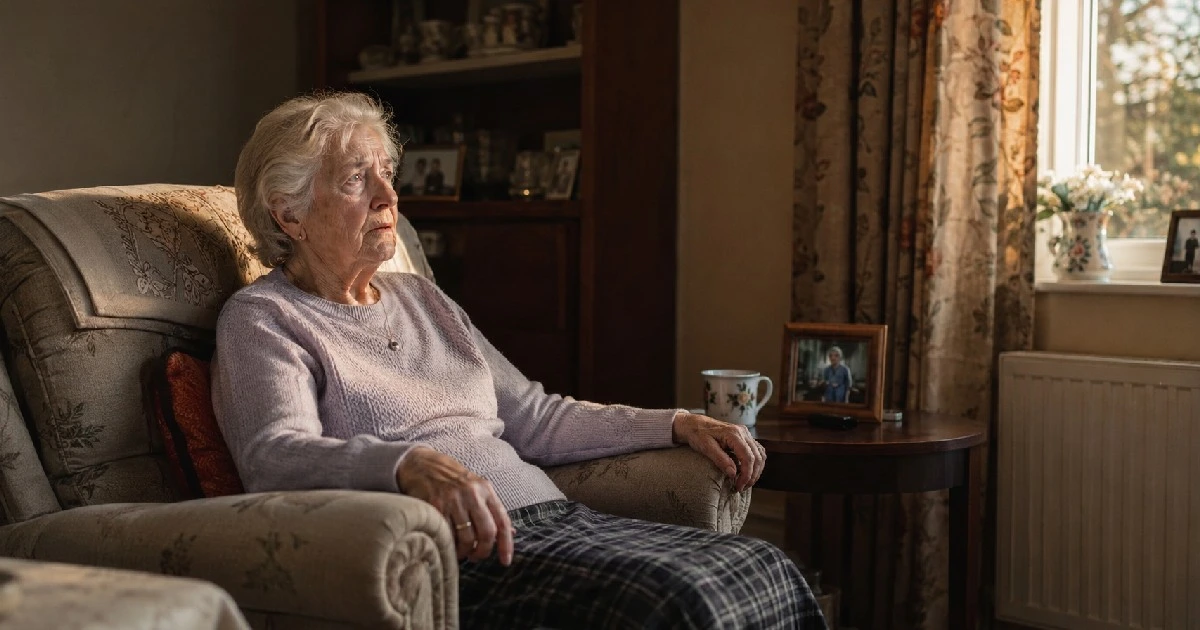
Sundowning is most common in the middle to late stages of dementia, although it can occasionally appear earlier. Sundowning tends to be most pronounced in the middle stages as the person with dementia is aware enough to feel distressed but unable to self-regulate. Sundowning behaviour may shift as dementia progresses. Someone experiencing sundowning in the later stages of dementia may be less agitated and more withdrawn.
Around 80% of dementia patients in care homes experience sundowning, showing how common it becomes as the condition advances. Sundowning symptoms may worsen as dementia progresses, particularly when sleep disruption increases. Sundowning can affect people with dementia of all types, including Alzheimer's disease, vascular dementia, Lewy body dementia, and frontotemporal dementia.
For more on how dementia changes over time, see our guide to types of dementia.
Although the exact cause of sundowning is unknown, several factors are known to contribute:
Sundowning typically occurs from the late afternoon into the early evening and often lasts for a few hours. One person living with dementia may have sundowning episodes lasting one to two hours; others may experience sundowning for four to six hours or until they fall asleep. Sundowning episodes can significantly disrupt sleep patterns, even when the acute episode has passed.
A person may experience dementia sundowning for months or years, usually in the middle and later stages of their illness. While sundowning usually can’t be eliminated entirely, its frequency and severity can be significantly reduced with good management.
If sundowning suddenly gets much worse, speak to the GP. Sudden changes can sometimes signal an underlying infection, pain, or sleep issues that need prompt attention.
No single technique works for everyone experiencing sundown syndrome. The goal is reducing sundowning’s frequency and severity. Structured routines and environmental adjustments can mitigate sundowning effects. Consistent routines matter more than any single strategy.
A consistent daily routine helps regulate the body clock and helps prevent sundowning. Try to keep:
A consistent daily routine supports healthy sleep-wake cycles and can make sundowning happen less often.
Natural light exposure during the day can reduce evening confusion. Getting your loved one outside in the morning or early afternoon is ideal. If outdoor time isn't possible:
Bright artificial lights should be used to ease the transition between day and night. Calm environments from mid-afternoon can help reduce agitation. As evening approaches:
A calm, familiar setting helps both the person with dementia and their carer feel more settled.
Daytime activity can help prevent sleep issues at night. Good sleep habits can go far to reduce difficulty sleeping and sleep disruption in people with dementia:
If sleep issues persist, speak to the GP about conditions such as sleep apnea, which can make sundowning worse.
When sundowning starts, your calm presence is one of the most effective tools for reducing sundowning distress. Speak gently, use short sentences, and listen carefully. Avoid arguing or correcting your loved one, as this can make sundowning worse. Holding their hand or sitting quietly nearby can provide real comfort.
Distraction works well for many people with dementia. Some options to try:
Medication side effects can exacerbate sundowning symptoms. If you notice a link between medication times and your loved one's sundowning behaviour, ask the GP for a medical review. Never make medication changes yourself. Only the GP can safely review and adjust medication timing or dosage.
Regular exercise can improve sleep and reduce sundowning episodes. Even five to ten minutes of walking a few times a day can help, as can gentle stretching. Regular daytime activity makes settling in the evening much easier.
Even with the best management, some sundowning episodes are unavoidable. The goal is reducing sundowning and supporting your loved one through it, not eliminating it entirely.

Caring for someone with dementia sundowning can feel exhausting, especially when episodes happen day after day. Small, consistent changes really do help over time: a more consistent routine, better natural daylight exposure, calmer evenings, and a reassuring presence.
If sundowning is becoming difficult to manage alone, Tiggo Care provides home care visits and live-in care across London, including support for people living with dementia. Tiggo Care can support people with dementia who have sleep issues by helping them maintain a calm evening routine. Our carers encourage consistent bedtimes, a peaceful and familiar setting, and limiting daytime naps to improve nighttime rest.
Tiggo Care is regulated by the Care Quality Commission (CQC), meaning our services are regularly inspected to ensure they are safe, effective, caring, and well-led. We’re also a member of the Homecare Association.
Our carers can support consistent routines, provide reassurance during sundowning episodes, and give family carers the breaks they need. Get in touch to discuss your situation.

Chris Williams is the Founder and Managing Director ofTiggo Care, an award-winning London home care provider that supports adults living in their own homes. He founded Tiggo Care after struggling to find suitable care for his parents, both of whom lived with rare diseases, giving him first-hand experience of the challenges families can face when arranging personalised home care. Chris studied Human Sciences and Epidemiology at Oxford University and previously worked at Kearney and Oxford Sciences Enterprises.
Sundowning symptoms include increased confusion, agitation, irritability, and sometimes hallucinations. These behavioural changes often worsen in the early evening when increased shadows and physical exhaustion set in. Identifying triggers early is important for reducing sundowning.
Sundowning tends to occur in the middle to later stages of dementia. Maintaining a consistent daily routine and regular mealtimes and bedtimes can reduce these difficult episodes.
A single sundowning episode usually lasts a few hours, from late afternoon until bedtime. As a phase of illness, dementia sundowning can persist for many months to several years, although good management can significantly reduce its frequency and severity.
Sundowning typically occurs in the late afternoon, often between 4 pm and 6 pm, continuing into the early evening. The timing tracks the fading of natural daylight, so the pattern can be more pronounced in autumn and winter. A brief diary can help with identifying triggers.
Yes, though less commonly. Some people with dementia experience sundowning in the morning, sometimes called "sunrise syndrome." Morning episodes are often linked to sleep disruption the night before, and the same approaches, including consistent routines, reassurance, and a calm environment, usually help.
Sundowning isn't usually permanent. It tends to come and go throughout the middle and later stages of dementia and can change character as dementia progresses. Good management can significantly reduce how often and how severely sundowning happens, although it may not disappear entirely.
Get in touch with Tiggo Care today to see how we can help you or your loved one.



.webp)


.jpg)