Live-in carer duties usually include help with personal care, meal preparation, medication management, household chores, mobility and safety, trips to appointments, and ongoing emotional support and companionship. A personalised care plan shapes the day so your loved one can stay in their own home, follow familiar daily routines, and enjoy life in a setting they know.
In the UK, around 12.7 million people, around 19% of the population, are aged 65 or over, and this number is expected to rise As a result, more families are exploring ways to keep older relatives safe at home, often with the help of a live-in carer, rather than moving them into a care home. This guide breaks down live-in carer duties and responsibilities in clear language. You will learn what typically happens in a day, how care needs shape support, the benefits of live-in care, and how the right support can ease pressure on both you and your older relative.
With a live-in care service, a professional carer moves into a client's home and provides day-to-day support. Your loved one remains in the same home, keeps their belongings, and follows their individual routine instead of fitting into a care home timetable.
A carer usually has their own room so they can rest properly and maintain healthy boundaries. Their role is to provide companionship, practical help, and compassionate care, while respecting the client’s privacy and independence. Good live-in care providers build their service around the client and their care needs, not the other way round.
To be effective, live-in carers must have more than practical skills. They must have empathy, patience, reliability, proactive behaviour, good communication skills, and enough physical fitness tosupport clients with mobility. Reputable care agencies carry out rigorous checks, including thorough DBS background checks, before anyone works in a client's home. Many care agencies look for at least six months of previous care experience, either paid or as a friend or family member.
Live-in care is full-time, but it is still structured. A live-in care role usually has set working hours each day, agreed breaks, and rest periods. Carers often work on a rota, for example, a few weeks on and a few weeks off, so live-in care placements stay sustainable and safe for everyone.
Although every situation is different, there are common live-in carer responsibilities. A carer’s day blends personal care, light housekeeping, mealtime support, health monitoring, and social contact, all focused on your loved one’s well-being and daily living.
One of the core duties of a live-in carer is to provide sensitive help with personal care. This includes:
Personal care at home is highly individual. A good carer uses patience to encourage an older person to do what they can safely manage themselves. This protects their confidence, supports physical health, and helps them continue to enjoy life rather than feeling rushed or helpless.
Because live-in carer duties are so personal, reliability and compassion matter just as much as training. Reputable services look for carers who genuinely care, can stay calm, and understand how much dignity matters in later life.
Many families worry about medicines, especially when their loved one has several health conditions to manage. Part of a typical live-in carer's responsibilities is safe medication management within the agreed and tailored care plan.
Depending on the arrangement, a carer may:
Health monitoring does not mean diagnosis. The carer observes changes and shares them with you or with healthcare professionals, such as the GP or community nurse.
Food is central to comfort and routine. Typical live-in carer duties and responsibilities around meals include:
Mealtimes are also a chance to provide companionship and emotional support. The carer might sit and eat with your loved one, chat, and help them keep up daily routines that feel normal. For people who need specialist care, such as those receiving dementia care or living with multiple sclerosis, the carer can follow advice from healthcare professionals so meals stay safe as well as enjoyable.
Keeping the house running smoothly is another important part of the role of a live-in carer. Your loved one can stay in their own home, while the carer quietly handles day-to-day jobs.
This support might include:
This kind of practical support means your older adults do not have to choose between safety and independence. It also reduces pressure on you as a family member, so that when you visit, you can focus on conversation rather than cleaning and organising.
Falls and mobility problems are a big concern in later life. Many live-in carer duties focus on helping clients stay safe when moving around the home.
A carer may:
Where needed, care professionals and healthcare professionals such as physiotherapists or occupational therapists advise on safe exercises or equipment. The carer then follows this guidance as part of their everyday support, making sure any assistance required fits within what specialists have recommended.
Getting out of the house can feel overwhelming without help. Live-in care makes it easier to stay connected with the outside world.
Typical duties include:
Some carers have their own car and a full UK driving licence and can drive clients, while others use taxis or public transport. Either way, they offer support so that outings feel safe rather than stressful. For you, this support can also make planning a short break or relaxing holiday easier, because you know your relative can still attend appointments and their favourite activities while you are away.
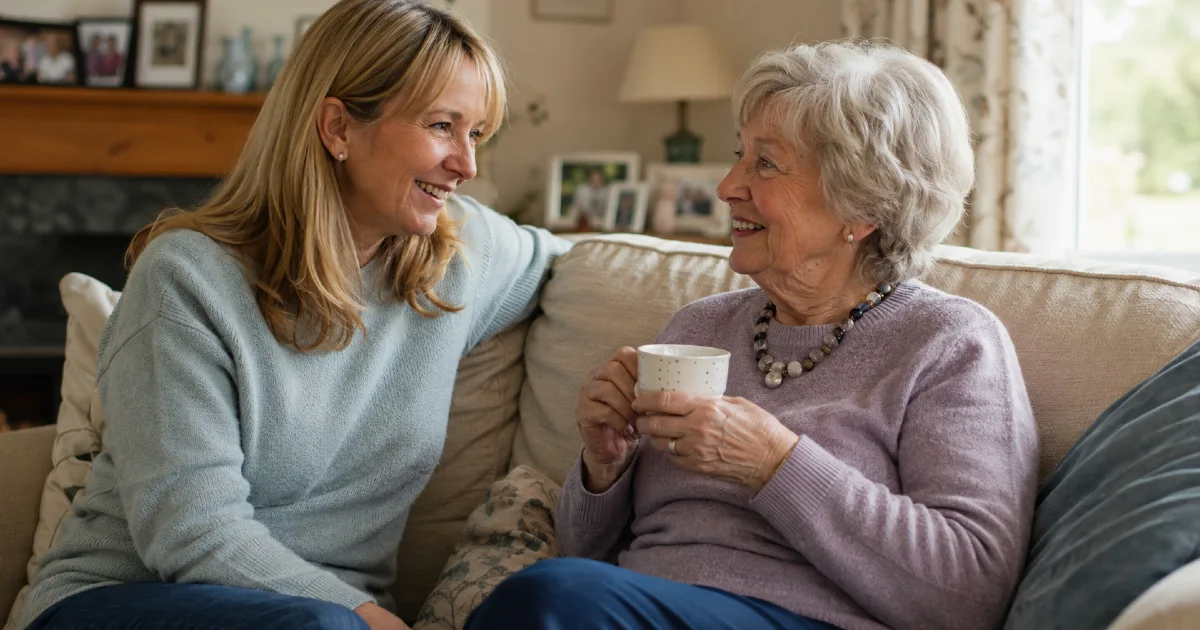
Loneliness can affect health just as much as physical illness. A large part of live-in care is offering companionship and emotional support.
Help at home from a carer might look like:
Companionship helps prevent isolation and keeps someone feeling like themselves. Over time, the continuity of having the same carer builds deep trust, especially for those receiving dementia care or who experience anxiety. For family, it is reassuring to know that someone is there to provide companionship, not just complete tasks.
There is no single checklist that suits everyone. Live-in carer duties are always shaped by the individual and their care needs.
A care manager from the care management team or local office usually:
For you, this means the carer is not just following a generic job description. They are supporting your relative as a whole person, in their own home, in a way that fits the way they live and helps them enjoy life day to day.
It helps to be clear about what live-in carer duties do not cover. A live-in carer does not replace hospital staff or specialist nursing care, and they do not give medical advice, diagnose conditions, or change treatment plans.
Only doctors decide how to treat medical conditions. Your carer simply follows an agreed care plan, supports safe medication management, and shares any concerns with you or with healthcare professionals.
They also do not carry out wound care or administer injections, apart from insulin, when this has been agreed and they are trained. They are not full-time cleaners either, even though they help with household chores and daily tasks to keep the home safe and comfortable.
A typical day of a live-in carer blends personal care, meals, light housework, and emotional support. In the morning, your carer might help with washing, dressing, oral hygiene, and medication administration, then prepare healthy meals for breakfast or lunch.
Later in the day, they may support gentle movement, social outings, or a video call with a friend or family member. They will keep an eye on the client’s physical health and well-being, notice changes, and share them with you or the wider care management team.
Evenings often focus on quiet routines that help your loved one enjoy life, such as watching a favourite television programme, spending time chatting, or simply sitting together. Throughout the day, the carer aims to provide companionship, create a safe and nurturing environment, and protect the daily routines that make someone's life meaningful.
Live-in care is often a good option when your loved one wants to stay in their own home, but their care needs have grown beyond what you can safely provide alone. Live-in may suit people who need specialist care, such as dementia care or support with other long-term health conditions.
It can also be helpful if you and other family members live far away or juggle work and other responsibilities. Sometimes families choose respite care for a short period first, then move into a longer live-in care arrangement once they see how well it can work in the same home.
Live-in care can be more cost-effective than a care home when support is needed for most of the day. It also gives peace of mind to every family member, because there is a familiar person offering support around the clock.
At Tiggo Care, we start with a detailed assessment and risk assessment to understand the individual's routine and care needs. A care manager in our local care management team then creates a personalised care plan that fits your older person and the level of assistance required.
Behind the scenes, our recruitment team looks for carers who are kind, reliable, and fully trained, with strong references and a clear DBS check. Many have at least six months of experience in a live-in care job, and all receive full training before supporting our clients based across London.
Some carers work in the UK as directly employed staff, while others work through care agencies, but what matters to you is that your professional live-in carer is supported with proper supervision, fair paid holidays, and travel expenses. When carers feel valued, they can genuinely care for your loved one, providing support that fits into their everyday life.
We encourage our carers to look after their own well-being too. Many connect with peers through an online community, share ideas, and talk about ways to improve home care and live-in care for each older adult they support.
Choosing live-in care is a big step, but it can make a real difference in how safe and settled your loved one feels at home. With the right live-in carer duties in place, your relative can stay in their own home, follow familiar daily living patterns, and keep enjoying the people and places they love, while you, as a family member, regain time and headspace.
Tiggo Care supports older adults with tailored live-in care services across London, built around clear live-in carer responsibilities and a carefully written care plan. If you would like to talk through your home care options, you can contact our team for a chat about what support might work best for both you and your loved one.

Chris Williams is the Founder and Managing Director ofTiggo Care, an award-winning London home care provider that supports adults living in their own homes. He founded Tiggo Care after struggling to find suitable care for his parents, both of whom lived with rare diseases, giving him first-hand experience of the challenges families can face when arranging personalised home care. Chris studied Human Sciences and Epidemiology at Oxford University and previously worked at Kearney and Oxford Sciences Enterprises.
Yes, a professional live-in carer will usually help with light household chores and daily tasks such as laundry, washing up, and changing bedding. They will not replace specialist cleaners, but they keep the home comfortable and safe as part of their live-in carer duties.
You can expect help with personal care, meals, and medicines within the agreed care plan, and plenty of emotional support and companionship. A good carer will also notice changes in your loved one’s heat hand share them with you or with care professionals and healthcare professionals where appropriate.
Typical live-in carer duties and responsibilities include support with washing, dressing, safe medication management, meal preparation, and getting out to appointments or social outings. They also provide companionship and help maintain a safe environment, while encouraging independence wherever possible.
A carer is not allowed to diagnose or treat medical conditions, change prescribed medicines, or replace professional nursing care. They also do not carry out wound care or injections apart from insulin, and they do not make major financial or legal decisions on behalf of the person they support.
Yes, Tiggo Care offers live-in care services across London for older adults who want to stay in their own home with tailored support. Our care management team can talk you through options, explain the typical live-in care role, and help you decide whether this is the right step for your family.
Get in touch with Tiggo Care today to see how we can help you or your loved one.


.webp)


.jpg)